

1. Introduction
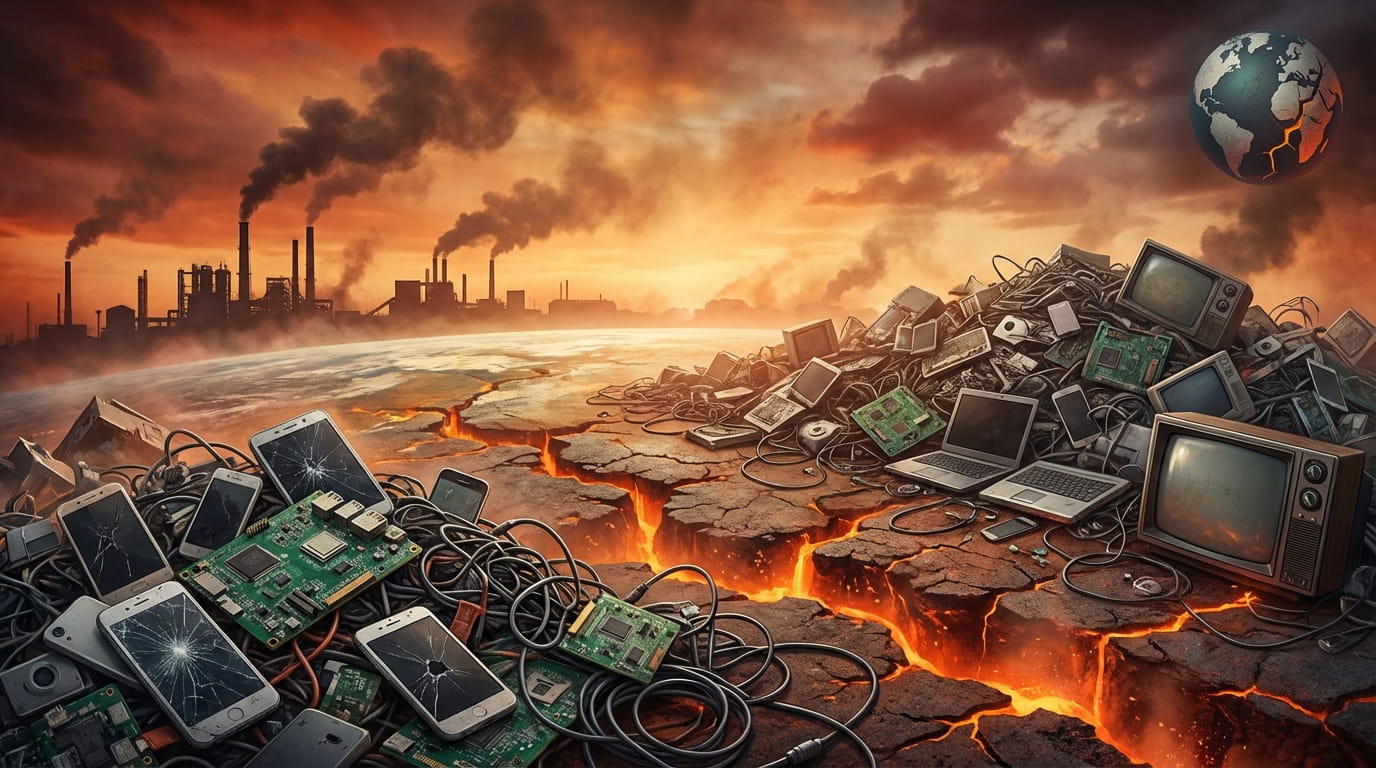
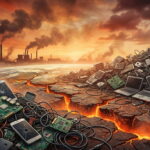
The global e-waste crisis has emerged as one of the most serious environmental and socio-economic challenges of the 21st century. With rapid technological advancement, shorter product lifecycles, and increasing consumer demand for electronic devices, discarded electronics are growing at an alarming rate. E-waste is now the fastest-growing solid waste stream worldwide, outpacing population growth and formal recycling capacity.
2. What is E-Waste?
E-waste (electronic waste) refers to discarded electrical and electronic equipment that has reached the end of its useful life. This includes devices that use electricity, batteries, or electromagnetic fields.
Common Categories of E-Waste
- Information & Communication Technology (ICT): Mobile phones, computers, laptops, routers
- Consumer Electronics: TVs, audio systems, cameras
- Large Household Appliances: Refrigerators, washing machines, air conditioners
- Small Household Appliances: Mixers, irons, vacuum cleaners
- Lighting Equipment: CFLs, LEDs, fluorescent lamps
- Electrical Tools and Medical Devices
E-waste contains both valuable recoverable materials and hazardous substances, making its management complex and risky.
3. Global E-Waste Generation: Facts & Figures
Current Statistics
- Global e-waste generation (2022): ~62 million metric tonnes
- Increase since 2010: ~82%
- Per capita generation: ~7.8 kg per person per year
Regional Distribution
- Asia: ~50% of total global e-waste (largest by volume)
- Europe: Highest per-capita generation (~17.6 kg per person)
- Americas: High consumption-driven waste
- Africa: Lowest generation but highest informal handling
Recycling Status
- Formally collected and recycled: ~22.3%
- Improperly managed or dumped: ~77%
Future Projections
- Expected e-waste by 2030: ~82 million metric tonnes
- Recycling growth is significantly slower than waste generation
4. Composition of E-Waste
Valuable Materials
- Copper
- Aluminum
- Iron and steel
- Gold, silver, platinum
- Rare earth elements
Hazardous Components
- Lead (circuit boards, CRTs)
- Mercury (switches, lamps)
- Cadmium (batteries)
- Brominated flame retardants
- PVC plastics
Improper disposal releases these toxins into soil, air, and water.
5. Key Drivers of the Global E-Waste Crisis
1. Rapid Technological Obsolescence
Frequent upgrades, software incompatibility, and non-repairable designs push consumers to replace devices quickly.
2. Consumer Culture
Marketing-driven demand for newer, faster, and slimmer devices results in the premature disposal of functional electronics.
3. Poor Product Design
Many electronics are not designed for easy disassembly or recycling, increasing processing costs.
4. Weak Collection Systems
Lack of accessible and organized collection channels leads to dumping or informal recycling.
5. Global Inequality
E-waste often flows from high-income to low-income countries where regulation and infrastructure are weak.
6. Environmental Impacts
Soil Contamination
Toxic metals leach into soil from landfills and informal dumpsites, reducing soil fertility and contaminating crops.
Water Pollution
Heavy metals seep into groundwater and surface water, affecting drinking water sources and aquatic life.
Air Pollution
Open burning of wires and plastics releases dioxins, furans, and particulate matter.
Climate Change Impact
Failure to recycle increases mining demand, which has a significantly higher carbon footprint.
7. Human Health Impacts
Exposure Risks
- Neurological damage
- Respiratory disorders
- Kidney and liver damage
- Hormonal and developmental disorders
Vulnerable Groups
- Informal waste workers
- Children living near dumpsites
- Pregnant women
Long-term exposure to e-waste toxins can cause irreversible health damage.
8. Economic & Resource Loss
Lost Material Value
- Estimated value of recoverable materials lost annually: ~USD 90+ billion
Resource Depletion
- Increased mining of finite natural resources
- Rising geopolitical pressure over rare metals
Informal Economy Dependence
Millions depend on unsafe, informal recycling for their livelihood, lacking safety and social protection.
9. Global Policy & Regulatory Framework
National Regulations
- Around 80+ countries have e-waste-related laws
- Only a minority enforces collection and recycling targets
Extended Producer Responsibility (EPR)
Manufacturers are made responsible for post-consumer waste, but enforcement varies widely.
International Conventions
- Basel Convention regulates the transboundary movement of hazardous waste
- Illegal exports and mislabeling remain major issues
10. Key Challenges in E-Waste Management
- Low collection rates
- High recycling costs
- Complex material composition
- Lack of consumer awareness
- Illegal dumping and trade
- Inadequate recycling infrastructure
11. Future Challenges
Growing Waste Volume
E-waste generation is increasing faster than recycling capacity.
Technology Complexity
New devices are smaller, more integrated, and harder to recycle.
Policy Gaps
Many countries lack effective enforcement, adequate funding, and proper coordination.
Social Challenges
Transitioning informal workers to safe and formal systems remains a significant challenge.
12. Future Opportunities & Solutions
Circular Economy Approach
- Design for repair, reuse, and recycling
- Longer product lifespans
Technological Innovation
- Automated sorting
- Advanced material recovery
- Eco-design
Stronger Regulations
- Mandatory EPR
- Strict recycling targets
- Transparent reporting
Public Awareness
- Consumer education
- Incentives for responsible disposal
13. Conclusion
The global e-waste crisis is not just a waste problem—it is a resource, health, and sustainability crisis. Without urgent action, e-waste will continue to grow uncontrollably, causing severe environmental damage and human suffering while wasting valuable materials. Coordinated global efforts in policy, technology, design, and behavior change are essential to address this escalating challenge.
(End of Document)
Leave a Reply