

1. Introduction
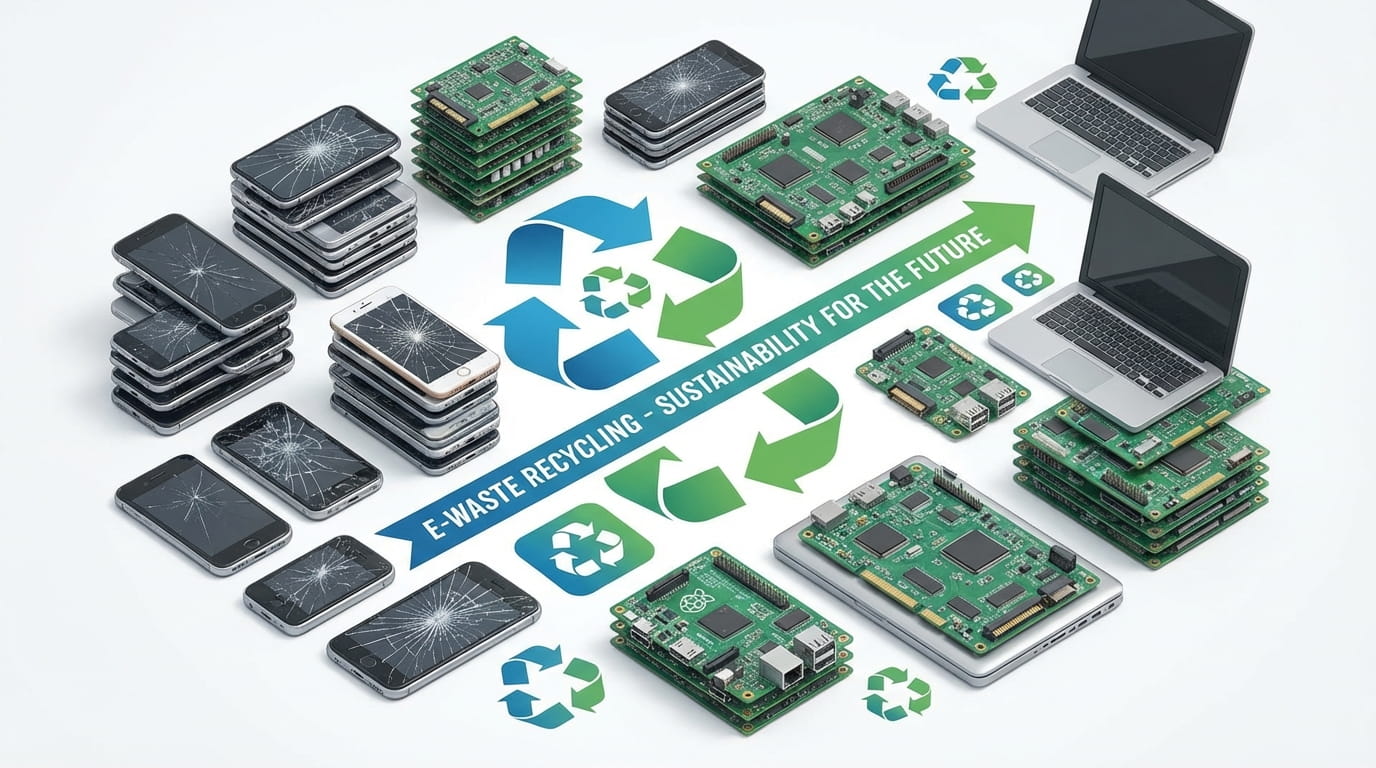
India is one of the fastest-growing generators of electronic waste due to rapid digitalization, urbanization, population growth, and increasing consumption of electronic devices. With rising smartphone usage, affordable electronics, and shorter product lifespans, e-waste management has become a critical environmental, economic, and public health issue. The future of e-waste management in India depends on policy strength, technological adoption, formalization of the informal sector, and public awareness.
2. Current E-Waste Scenario in India
2.1 Rising E-Waste Generation
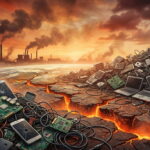
India is among the top global e-waste generators. Millions of tonnes of electronic waste are produced annually from households, businesses, and industries. However, only a small portion is processed through authorized recycling facilities.
2.2 Dominance of the Informal Sector
A significant share of India’s e-waste is collected and recycled by the informal sector using unsafe methods such as open burning, acid leaching, and manual dismantling, leading to serious environmental and health risks.
2.3 Low Consumer Awareness
Many consumers are unaware of proper e-waste disposal methods, resulting in the storage of old devices at home or disposal with general household waste.
3. Government Policies & Regulatory Framework
3.1 E-Waste Management Rules
India has introduced dedicated E-Waste Management Rules that emphasize environmentally sound handling of e-waste and define the responsibilities of producers, recyclers, dismantlers, and consumers.
3.2 Extended Producer Responsibility (EPR)
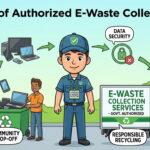
EPR is the backbone of India’s e-waste policy. Producers are responsible for ensuring the collection and recycling of end-of-life electronics through authorized channels.
3.3 Digital EPR Monitoring
The use of online portals for tracking EPR compliance is improving transparency, accountability, and reporting accuracy.
4. Role of Technology in India’s E-Waste Future
4.1 Automation & AI-Based Recycling
- AI-powered sorting and dismantling systems
- Robotic separation of metals, plastics, and components
- Improved safety and recovery efficiency
4.2 Data Analytics & Forecasting
Advanced analytics can predict future e-waste volumes, helping governments and recyclers plan infrastructure and logistics.
4.3 Blockchain for Traceability
Blockchain can enable end-to-end tracking of e-waste flows, reducing illegal dumping and unregulated exports.
5. Formalizing the Informal Sector
5.1 Skill Development & Integration
Training informal workers and integrating them into authorized recycling systems can improve livelihoods while reducing environmental damage.
5.2 Public-Private Partnerships
Collaboration between government bodies, recyclers, and social enterprises can support inclusive and scalable solutions.
6. Circular Economy Opportunities
6.1 Design for Recycling
Encouraging eco-design and modular electronics will improve recyclability and extend product life.
6.2 Repair, Refurbishment & Reuse
Expanding formal repair and refurbishment markets can significantly reduce e-waste generation.
6.3 Resource Recovery
India can reduce dependence on imported raw materials by recovering valuable metals from e-waste.
7. Challenges Ahead
- Limited authorized recycling capacity
- Enforcement gaps at the state and local levels
- High initial investment for advanced technology
- Behavioral resistance to proper disposal
8. Future Outlook
The future of e-waste management in India will be shaped by stricter enforcement of EPR, rapid adoption of AI and automation, formalization of the informal sector, and increased public participation. With the right policy support and technological investment, India can transform e-waste from an environmental burden into an economic opportunity.
9. Conclusion
E-waste management in India is at a turning point. As electronic consumption continues to rise, sustainable management is no longer optional but essential. A future-focused approach combining policy, technology, circular economy principles, and social inclusion can help India build a resilient and environmentally responsible e-waste ecosystem.
(End of Document)
Leave a Reply