

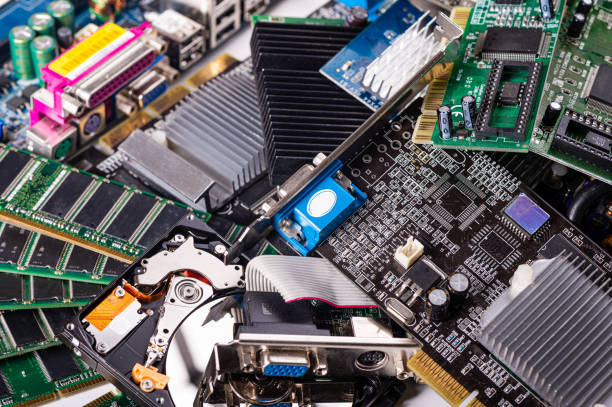
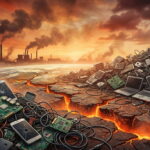
In today’s fast-paced digital world, we are surrounded by electronic devices – smartphones, laptops, computers, televisions, refrigerators, washing machines, and many more. Technology has made our lives easier, faster, and more convenient. But with this rapid technological advancement comes a hidden challenge: electronic waste, or E-Waste.
Most people upgrade their devices frequently to keep up with the latest models, while older gadgets end up being discarded. These discarded electronics, if not managed properly, pose serious risks to our environment, health, and future generations.
What is E-Waste?
E-Waste, or electronic waste, refers to all types of discarded electrical and electronic equipment (EEE). This includes products that are no longer useful, broken, outdated, or unwanted. Common examples of E-Waste include:
- Old mobile phones, tablets, and chargers
- Laptops, desktops, and computer peripherals
- Televisions, DVD players, and music systems
- Refrigerators, washing machines, and air conditioners
- Batteries, wires, and circuit boards
According to the Global E-Waste Monitor, the world generated 62 million metric tonnes of e-waste in 2022, and this number is expected to rise every year. Unfortunately, less than 20% of it is formally collected and recycled. The rest ends up in landfills or is handled by informal recycling sectors, which can be very harmful.
Why is E-Waste Dangerous?
Many people think of e-waste as just “old electronics,” but what makes it dangerous is the toxic substances it contains. Here’s why e-waste is a growing threat:
- Toxic Chemicals and Heavy Metals
E-Waste contains hazardous substances like lead, mercury, cadmium, arsenic, chromium, and brominated flame retardants. When these are dumped in landfills, they can leak into the soil and groundwater, polluting our environment.
Lead (found in CRT monitors and batteries) can damage the nervous system.
Mercury (in flat screens and fluorescent lamps) is highly poisonous and affects the brain and kidneys.
Cadmium (in semiconductors and batteries) accumulates in the body and causes kidney damage.
- Environmental Pollution
Improper burning or dismantling of electronic waste releases toxic fumes into the air, contributing to air pollution and climate change. Open burning of wires to extract copper, for example, produces dioxins and furans that are extremely harmful to human health.
- Human Health Hazards
Workers in informal recycling markets (often without protective gear) are exposed to toxic dust and chemicals every day. This leads to:
- Respiratory problems
- Skin diseases
- Neurological disorders
- Long-term cancers
Even communities living near informal recycling hubs are at risk due to contaminated water and air.
- Loss of Valuable Resources
Electronic devices contain precious metals like gold, silver, palladium, and copper. When e-waste is not properly recycled, these valuable resources are lost forever. Mining new metals requires huge energy and damages ecosystems, while safe recycling can recover them.
- Massive Growth of E-Waste
With technology changing rapidly, the lifecycle of electronics is becoming shorter. On average, a smartphone is replaced every 2-3 years. This constant upgrading leads to an ever-increasing mountain of e-waste.
How Does E-Waste Affect Us?
- Health Risks: Communities near dumping grounds are exposed to contaminated food, air, and water.
- Environmental Damage: Toxic leachate from landfills seeps into the soil and groundwater, harming agricultural land.
- Climate Change: Informal burning of e-waste contributes to greenhouse gas emissions.
- Economic Loss: Improper disposal wastes billions of dollars’ worth of precious metals annually.
E-Waste in India – A Growing Challenge
India is the third-largest generator of e-waste in the world, producing over 3.4 million tonnes every year. Major cities like Mumbai, Delhi, Bengaluru, and Chennai are hotspots for e-waste accumulation.
The informal sector dominates e-waste recycling in India. While they provide low-cost recycling solutions, most methods involve crude techniques like acid baths, open burning, and manual dismantling. These processes harm both workers and the environment.
To tackle this, the Government of India introduced E-Waste (Management) Rules under the Central Pollution Control Board (CPCB). These rules promote Extended Producer Responsibility (EPR), which makes manufacturers responsible for collecting and recycling their products.
How Can We Manage E-Waste Responsibly?
At GreenTick Waste Management (GWM), we believe that managing e-waste is not just a regulatory requirement but also a responsibility towards our planet. Here are some ways we promote responsible e-waste management:
- Awareness and Education
Most people still don’t know the dangers of e-waste. Awareness campaigns can educate households, schools, and businesses about the need for safe disposal.
- Refurbishing and Reuse
Not all old electronics are waste. Many can be repaired, refurbished, and reused, extending their lifespan and reducing waste generation.
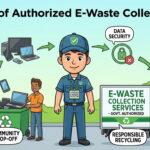
- Authorized Recycling
Partnering with CPCB and SPCB authorized recyclers ensures safe extraction of valuable metals and eco-friendly disposal of hazardous substances.
- Data Destruction
Safe disposal is not only about the environment – it’s also about data security. Hard drives, servers, and old devices often carry sensitive data. Certified data wiping and degaussing ensure your information does not fall into the wrong hands.
- Collection Drives & E-Waste Pickup
Convenience is key. By offering doorstep pickup and drop-off points, we make it easy for individuals and companies to responsibly dispose of their old electronics.
What Can You Do as an Individual?
- Do not throw old electronics in dustbins or with household waste.
- Donate or sell working devices instead of discarding them.
- Always hand over e-waste to authorized collection centers or recyclers.
- Participate in e-waste awareness campaigns.
- Buy durable products instead of fast, cheap gadgets.
Conclusion
E-Waste is not just “garbage” – it is a complex challenge with environmental, health, and economic impacts. If managed properly, it can also be an opportunity to recover valuable resources and reduce the need for harmful mining.
At GreenTick Waste Management (GWM), our mission is to create a cleaner, greener, and safer future. By combining awareness, responsible collection, refurbishing, and authorized recycling, we aim to reduce the risks posed by e-waste while promoting sustainability.
Together, with businesses, households, and communities, we can turn the challenge of e-waste into an opportunity for a better tomorrow. 🌍♻️
Leave a Reply